Title: "Climate Fiction, Narratives of the Long Now"
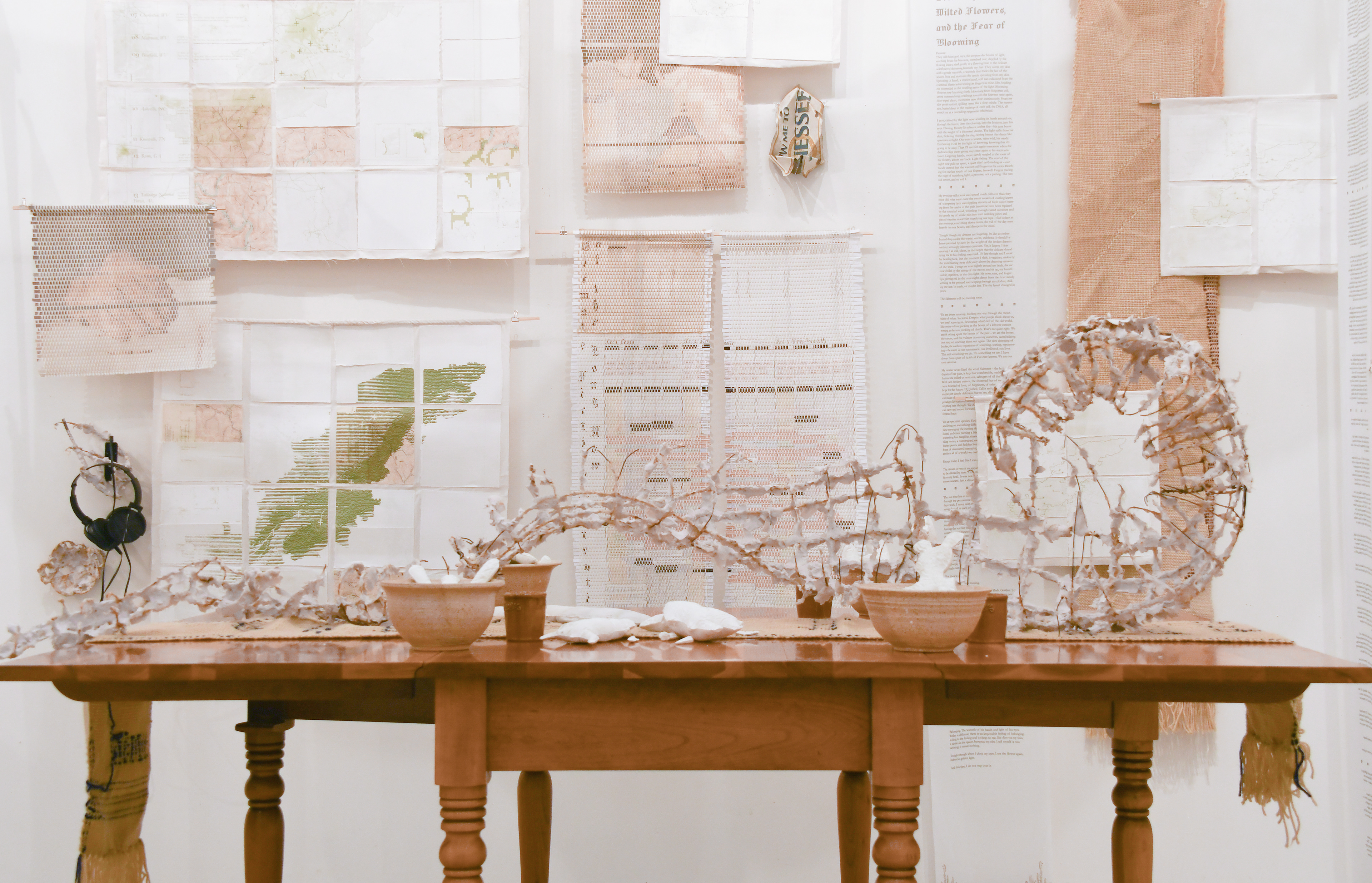
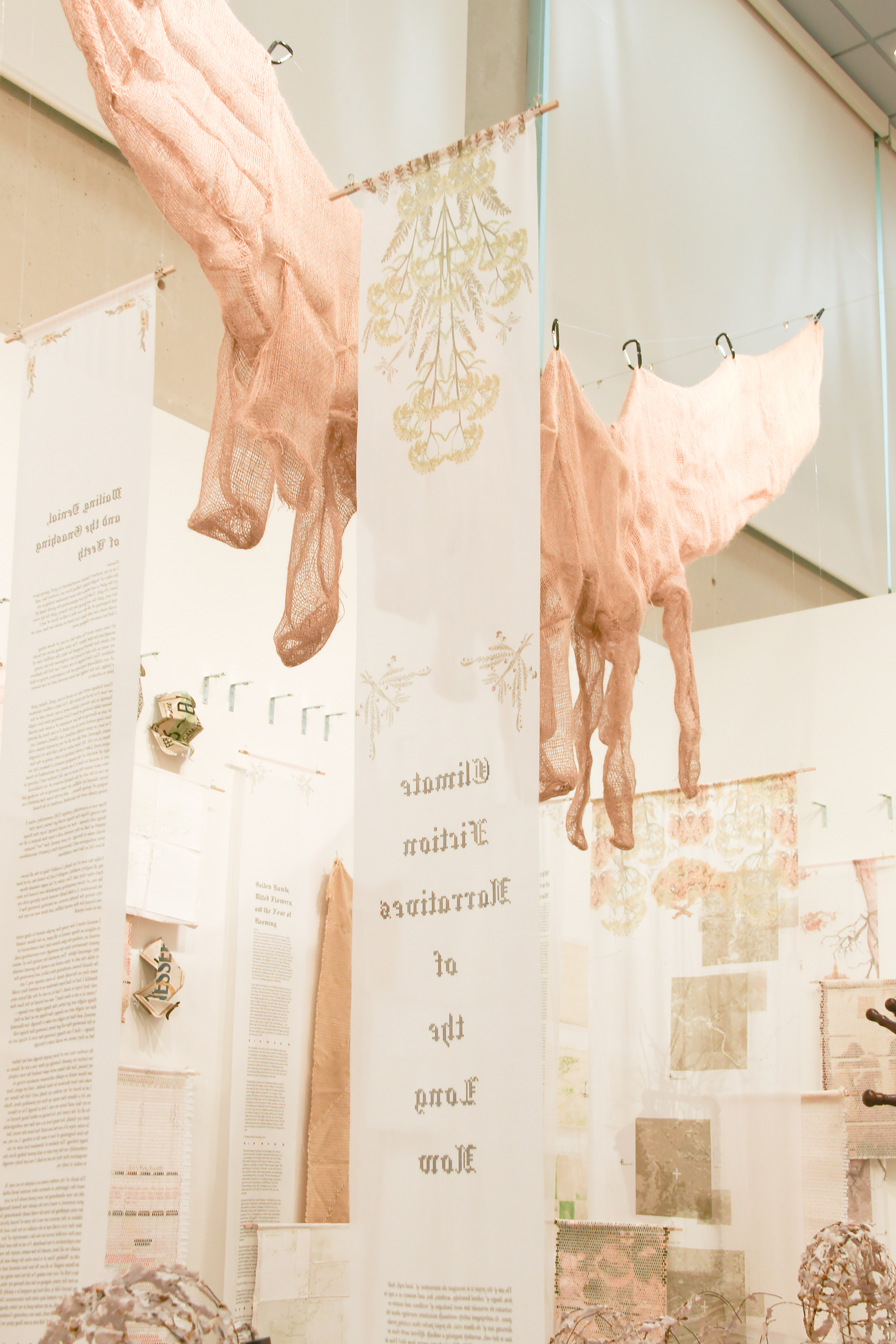
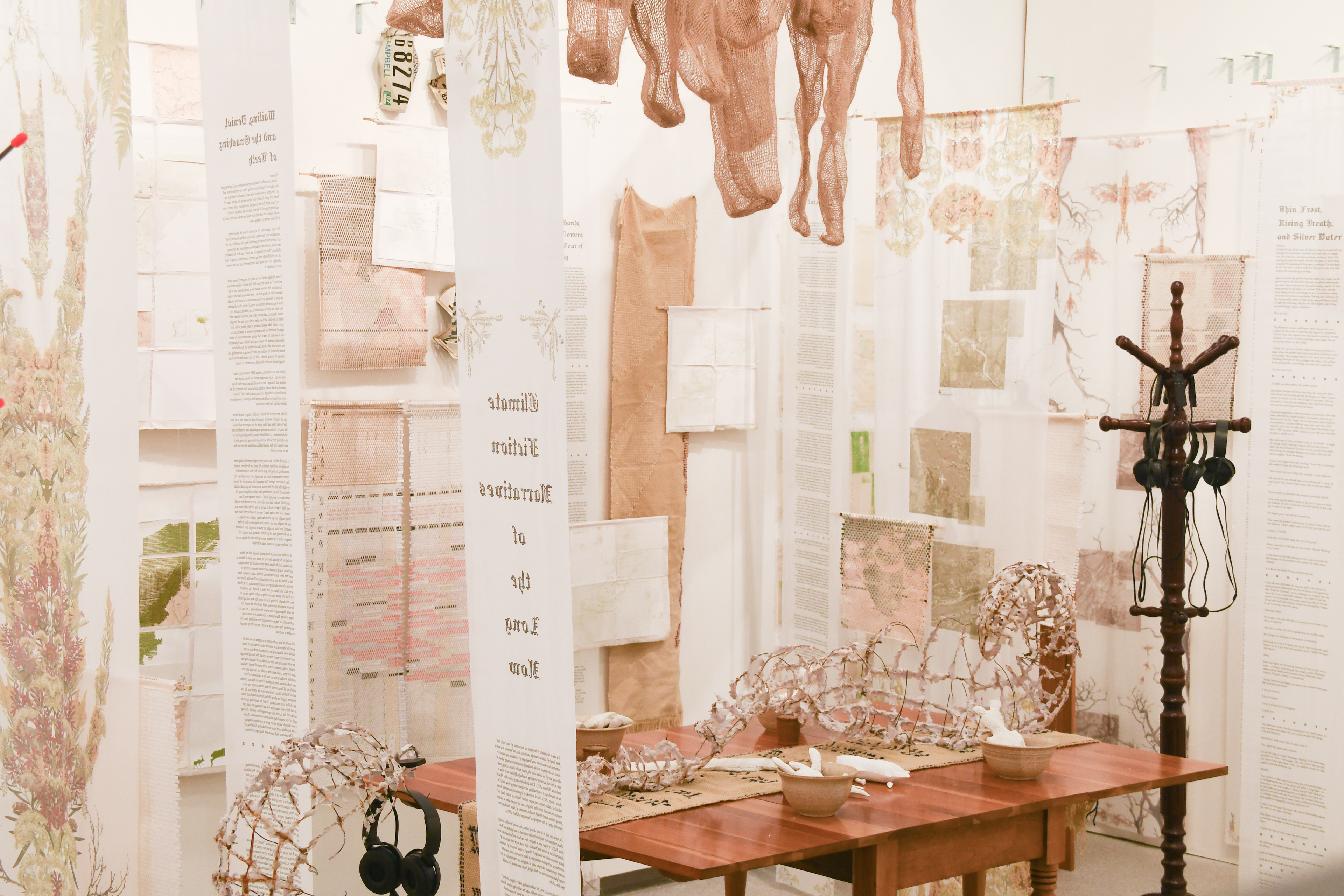
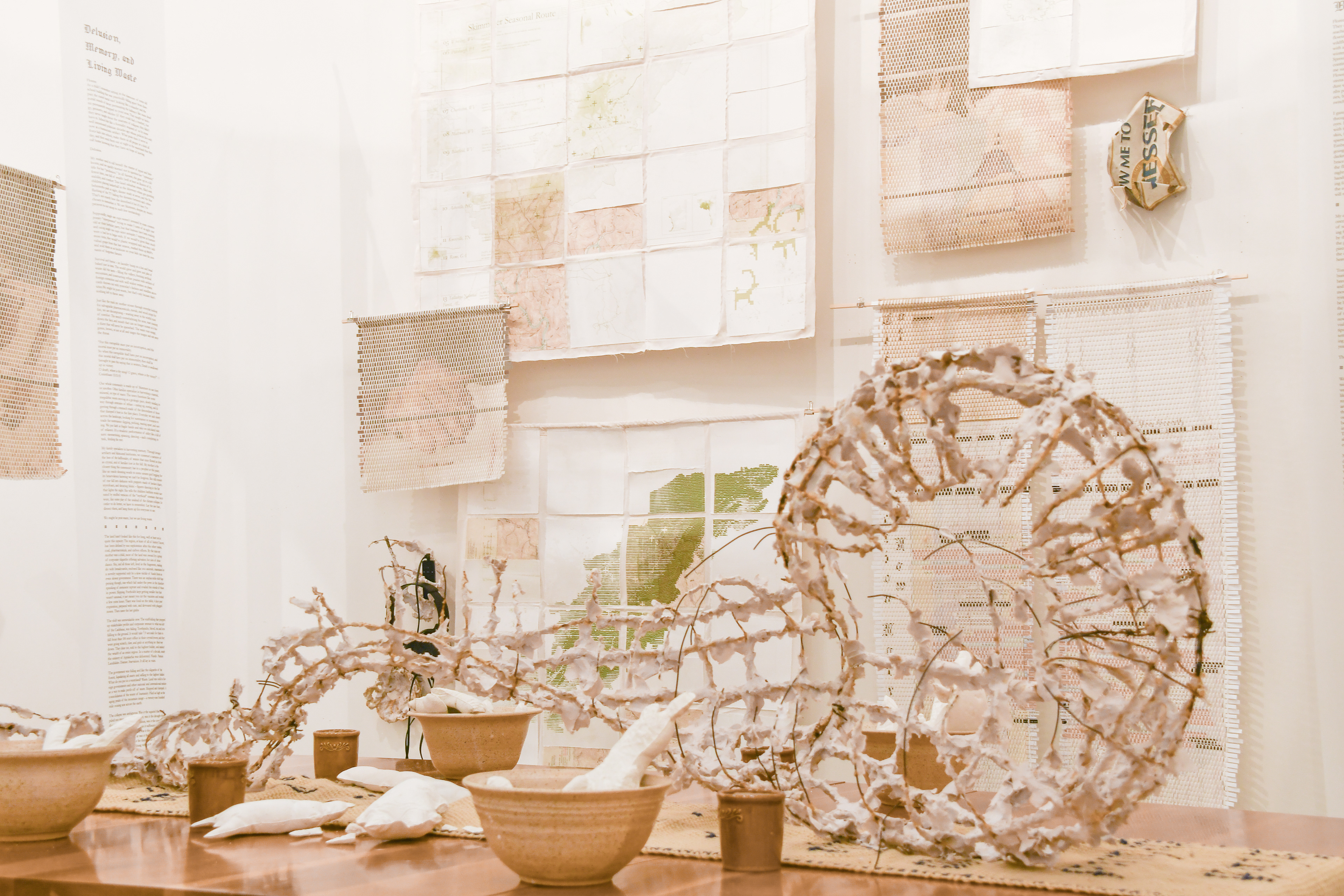
This project grapples with the climate crisis through a lens that resists simple narratives and quick solutions. One challenge is of digesting complexity: how can the layered, interwoven factors that drive ecological upheaval be rendered legible enough that people might acknowledge and act on them, rather than turn away? The project’s speculative narratives and artifacts invite viewers to consider slow and intersecting processes—environmental, cultural, political—and how they shape conditions we often struggle to perceive in conventional practice.
This approach also raises questions about the landscape architect’s role in a rapidly changing world. As peripheral actors lacking direct political or economic power, landscape architects often work at a pace ill-suited to the urgency of the climate crisis. Here, the project does not offer a neat resolution. Instead, it frames the profession’s peripheral position as both a limitation and a potential vantage point. By presenting futures that disrupt expectations, it tests the idea that novel methods—speculative storytelling, alternative modes of inquiry, and unexpected engagements—may be not only useful but necessary. How might these new approaches prompt dialogue around issues that many prefer to ignore or dismiss?
In refusing to provide a single authoritative answer, the project functions as a catalyst. It encourages viewers, practitioners, and publics to grapple with uncertainties, systemic inequities, and ethical dilemmas. Rather than promise neat outcomes, it acknowledges the complexity inherent in the climate crisis and our collective reluctance to face it. Through these acts of speculation, the project signals that engaging with complexity, even when difficult, may lead to richer understandings and more meaningful forms of participation.