Title: Automated Earthworks
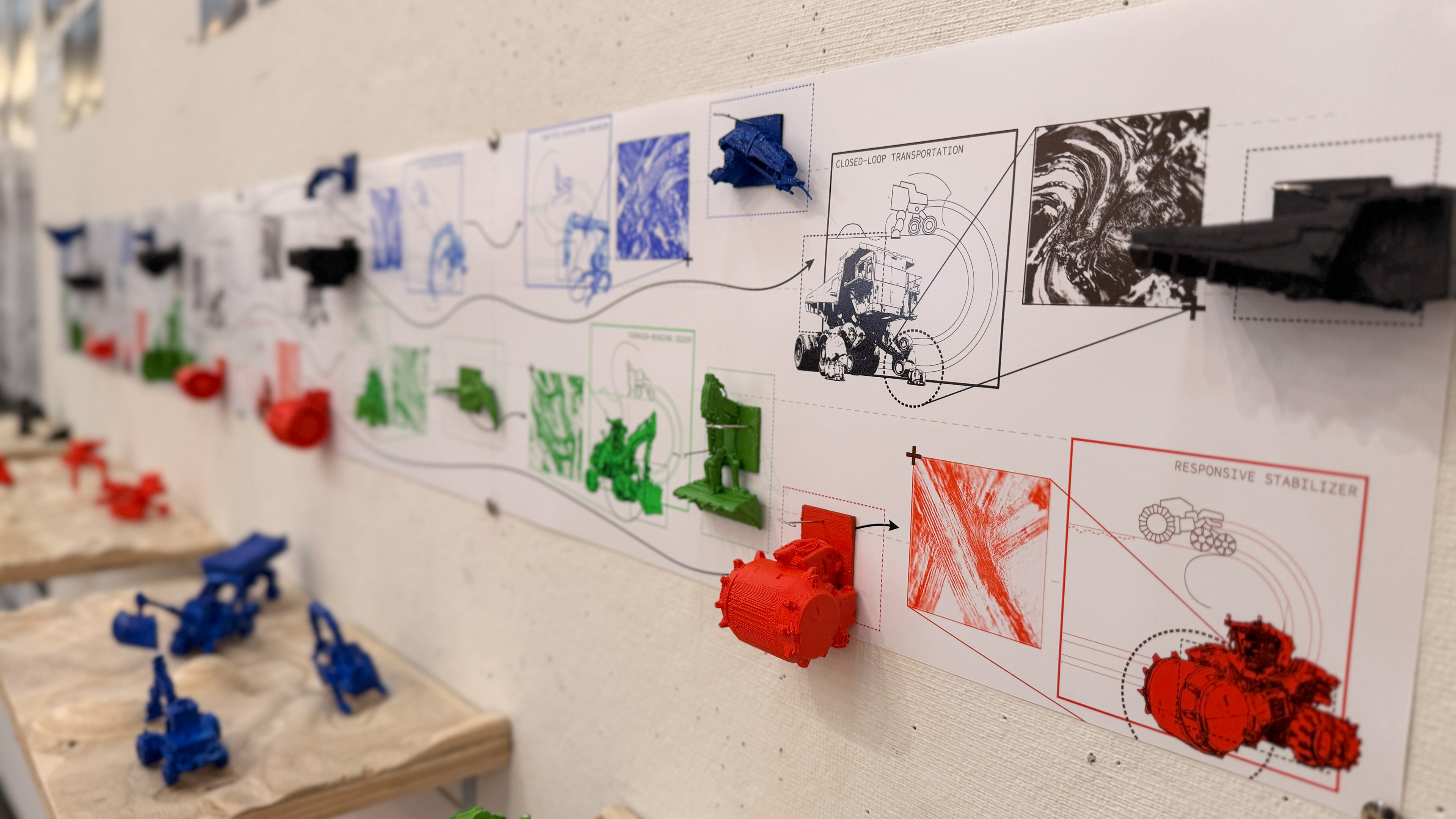
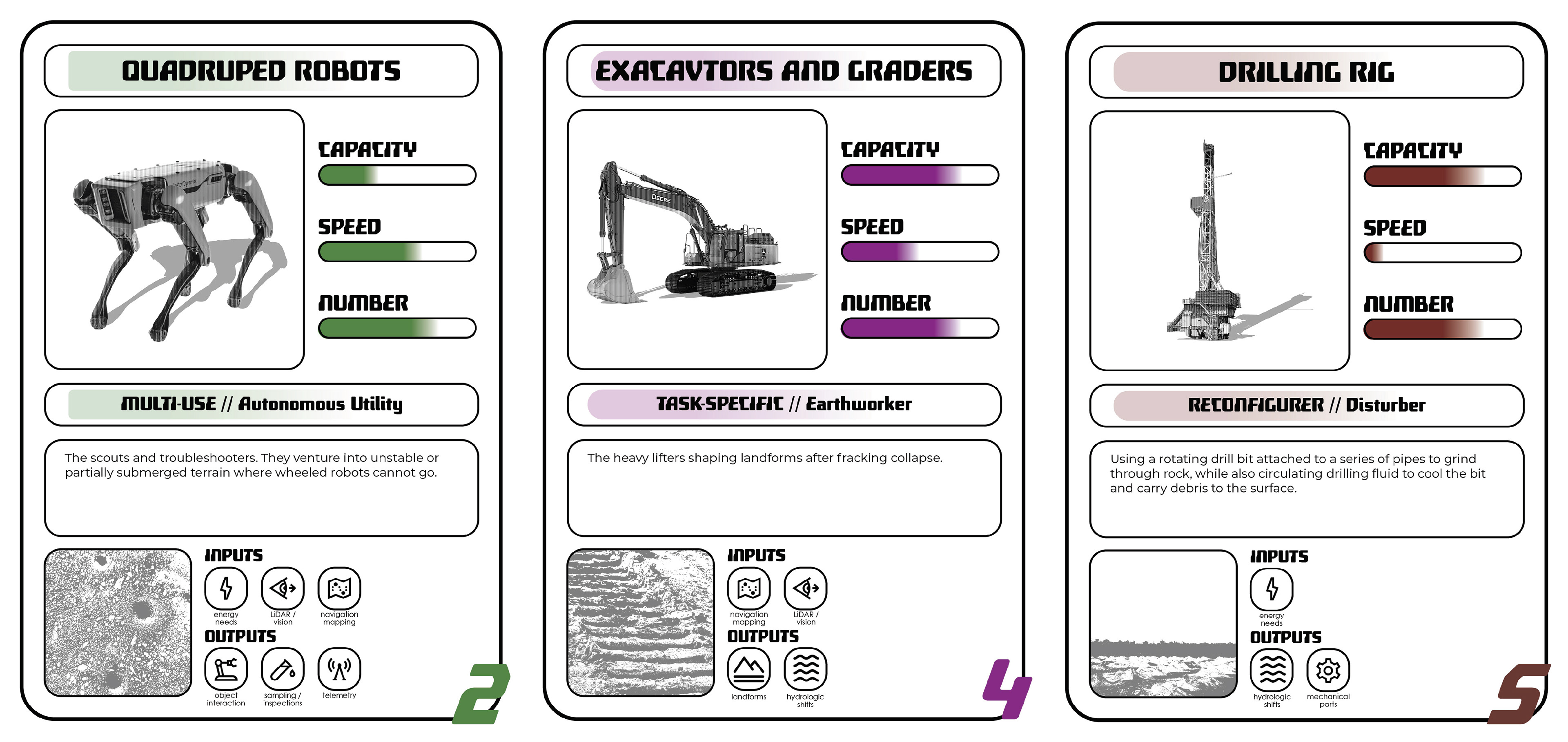
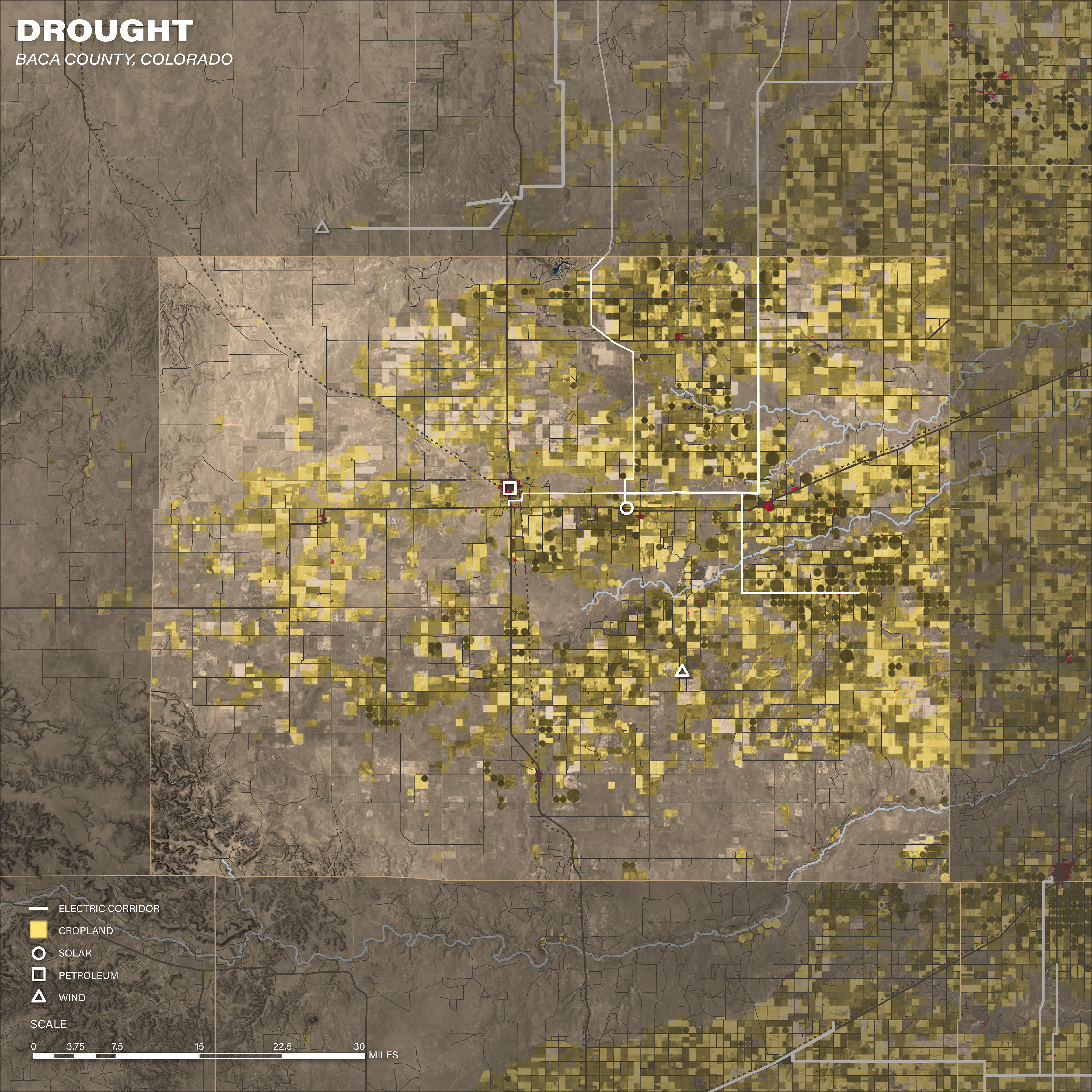
"Automated Earthworks interrogates the role of autonomous, mechanized, nonhuman agents in shaping the landscapes they occupy. As digital technologies increasingly structure how land is surveyed, modeled, and constructed, designers shift from sole authors to coauthors of landscapes, feeding parameters derived from land into mechanical systems. Within this new feedback loop, robots are no longer positioned as tools of human intention but as emergent ecological actors, capable of sensing, deciding, and acting upon terrain, projecting their own agencies in their establishing habitats. These mechanical actors operate through their unique, encoded logics that yield distinct aesthetic and material outcomes.
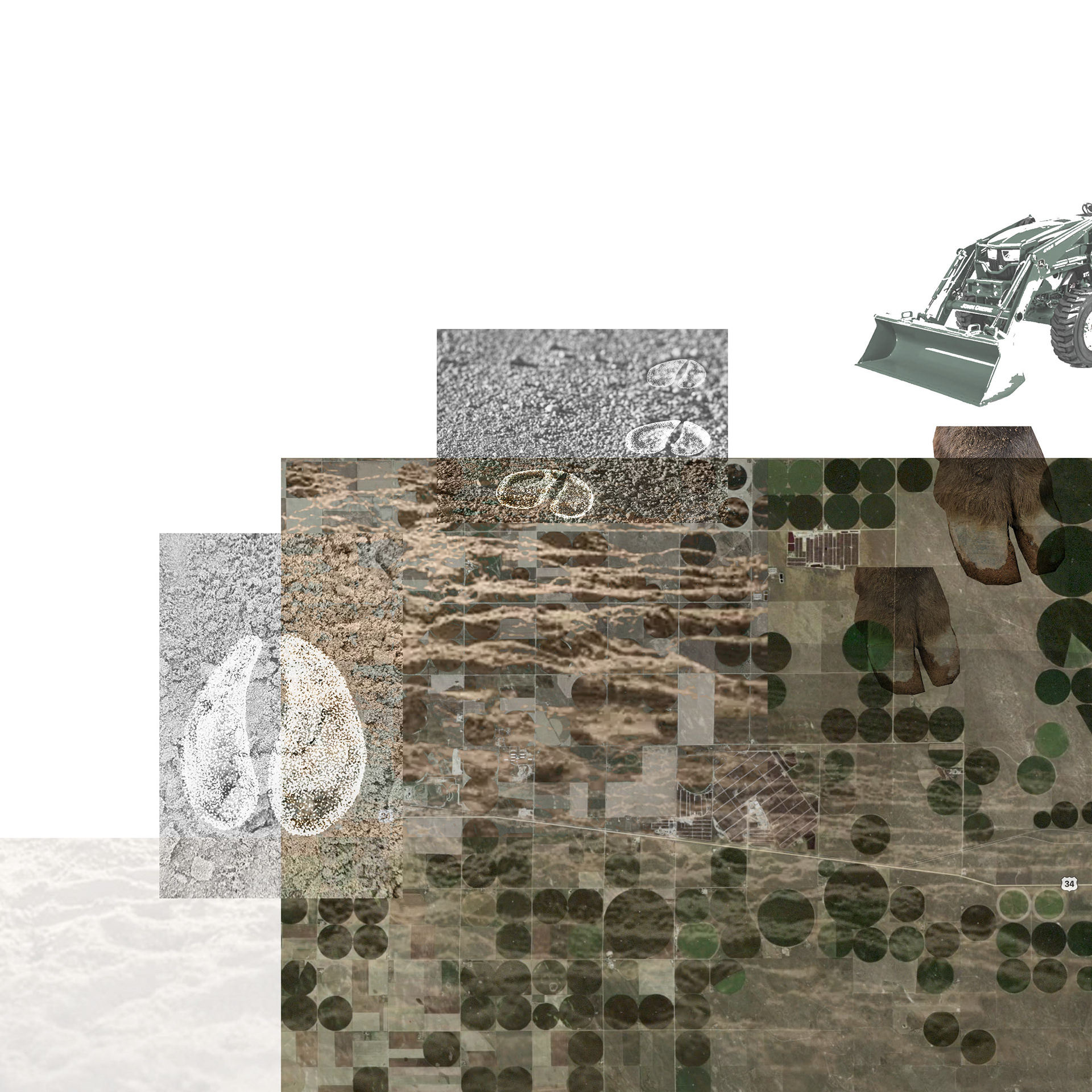
The project situates these machines as a new version of natural process, altering temporality, efficiency, and scale. Earthmoving systems accelerate or bypass ecological cycles, producing traces that accumulate over time. These material and immaterial residues generate new geomorphologies, hierarchies, and ecological relations that cannot be fully attributed to human authorship alone.
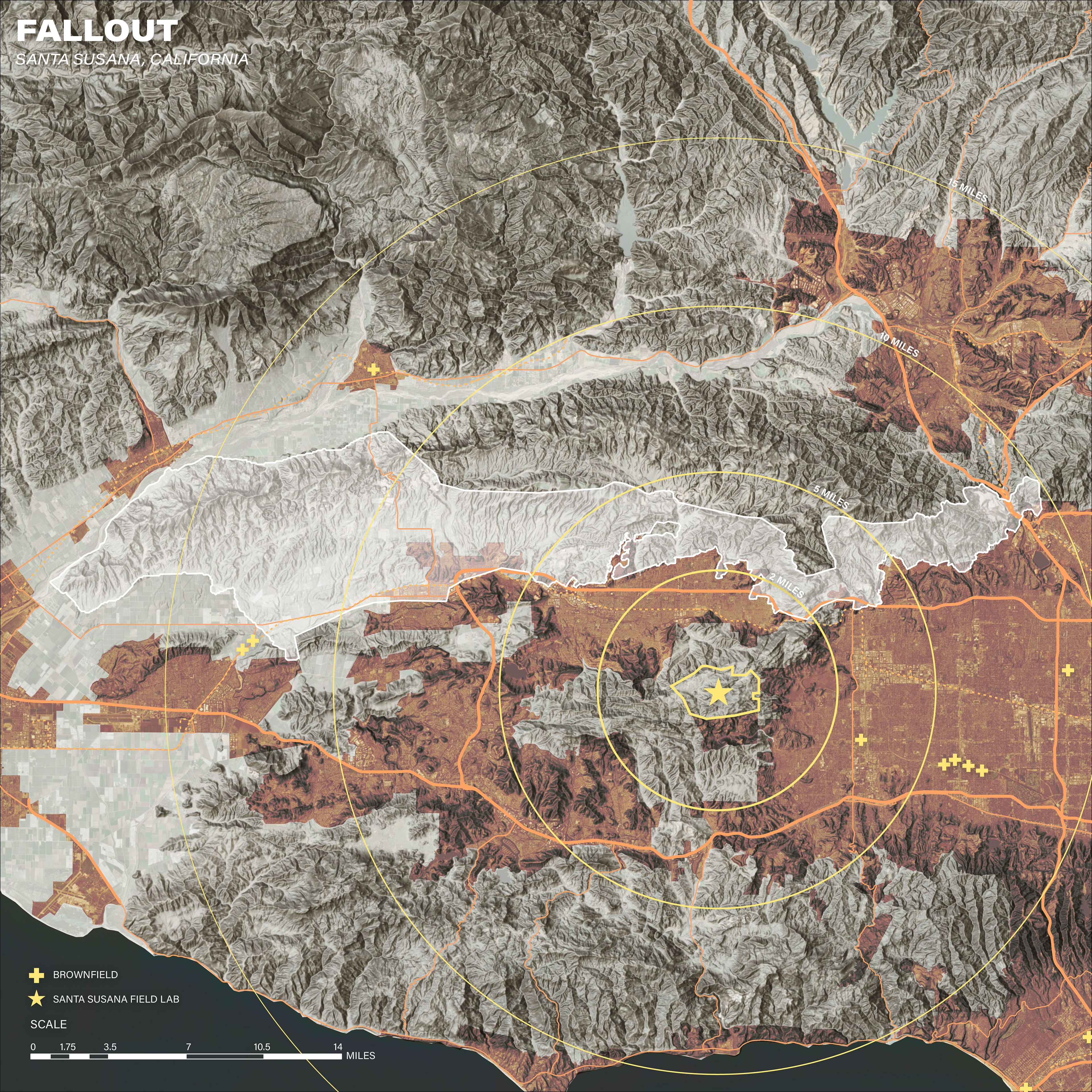
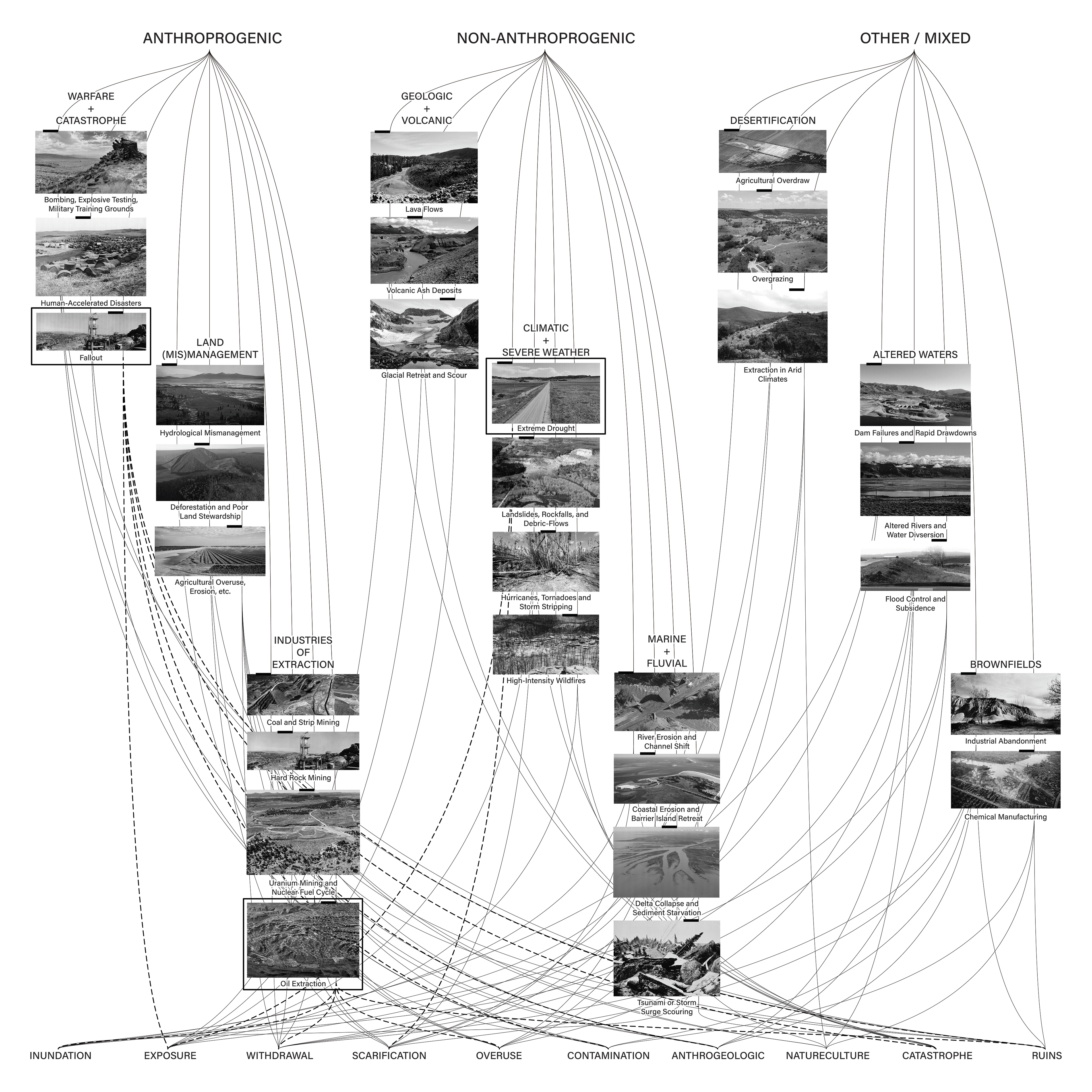
Amid the growing reality that many contemporary landscapes can no longer be stabilized or restored through conventional stewardship, machines are increasingly deployed as intermediaries of remediation. Yet rather than proposing optimized solutions or predictive futures, Automated Earthworks constructs a speculative framework for understanding what emerges when robotic logics are embedded within unstable land systems and granted partial autonomy. Through parameterization and iterative adaptation, simplified terrain metrics become navigable inputs, and outputs manifest as evolving landscapes shaped by the friction and hybridization of mechanical and natural logics. Ultimately, the project asks whether robots compete with, remediate, or co-author nature, and how their operational constraints might be manipulated to cultivate more ecosystem-minded futures."